Beauty Blender
A soft, non-latex sponge used damp to blend liquid and cream products into a seamless, airbrushed finish.
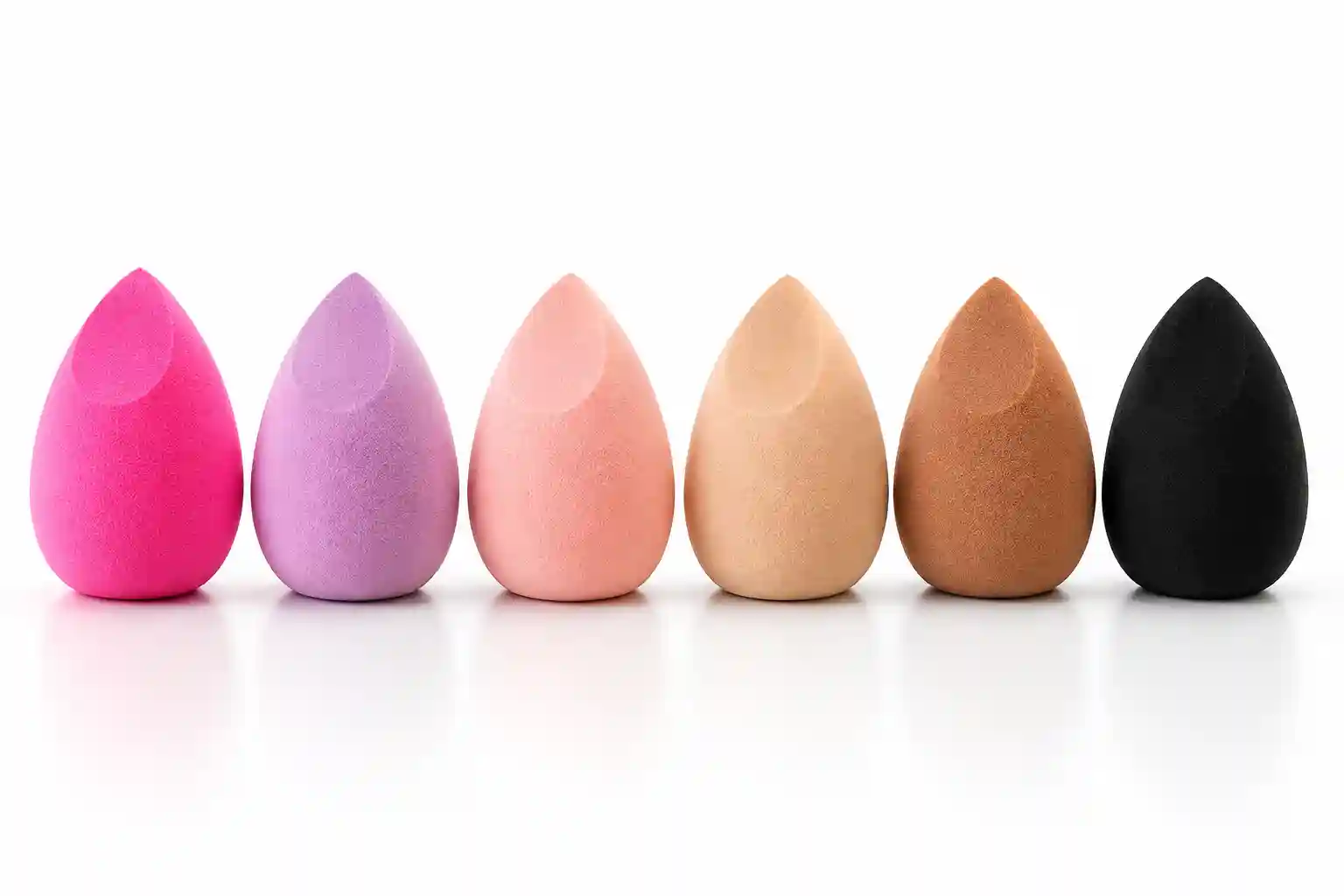
What it is
"Beauty blender" is technically a brand name that, like Kleenex or Q-tip, became the generic term for egg-shaped makeup sponges. Used damp, they blend liquid and cream products - foundation, concealer, cream blush - into skin with less visible texture than a brush typically leaves.
How it works
The sponge is made from a soft, non-latex material with fine, dense pores. Dampening it before use serves two purposes: it swells the sponge to a firmer, larger size so it absorbs less product, and it lets the sponge push product into skin with a stippling (bouncing, not dragging) motion rather than smearing it across the surface. The rounded point handles small areas like under the eyes and around the nose; the wide base covers larger areas like the cheeks and forehead quickly.
How to choose one
- Non-latex, hypoallergenic material is standard on most reputable sponges now and worth confirming if you have sensitive skin.
- Density matters more than brand. A denser sponge holds its shape longer and blends more precisely; cheaper, airier sponges can absorb more product than they deposit, wasting foundation.
- Size is a personal preference - a smaller sponge gives more control for precise work, a larger one covers the face faster.
Common mistakes
- Using it dry, which makes the sponge absorb far more product than it applies and leaves a patchier, less blended finish.
- Dragging or wiping instead of stippling (bouncing straight down and lifting), which can streak cream and liquid products instead of blending them.
- Not cleaning it regularly - a sponge used damp and stored damp is a good environment for bacteria if it isn't washed and fully dried between uses.