Lipstick
Pigmented, waxy or creamy product applied to the lips for color and, depending on formula, texture and shine.
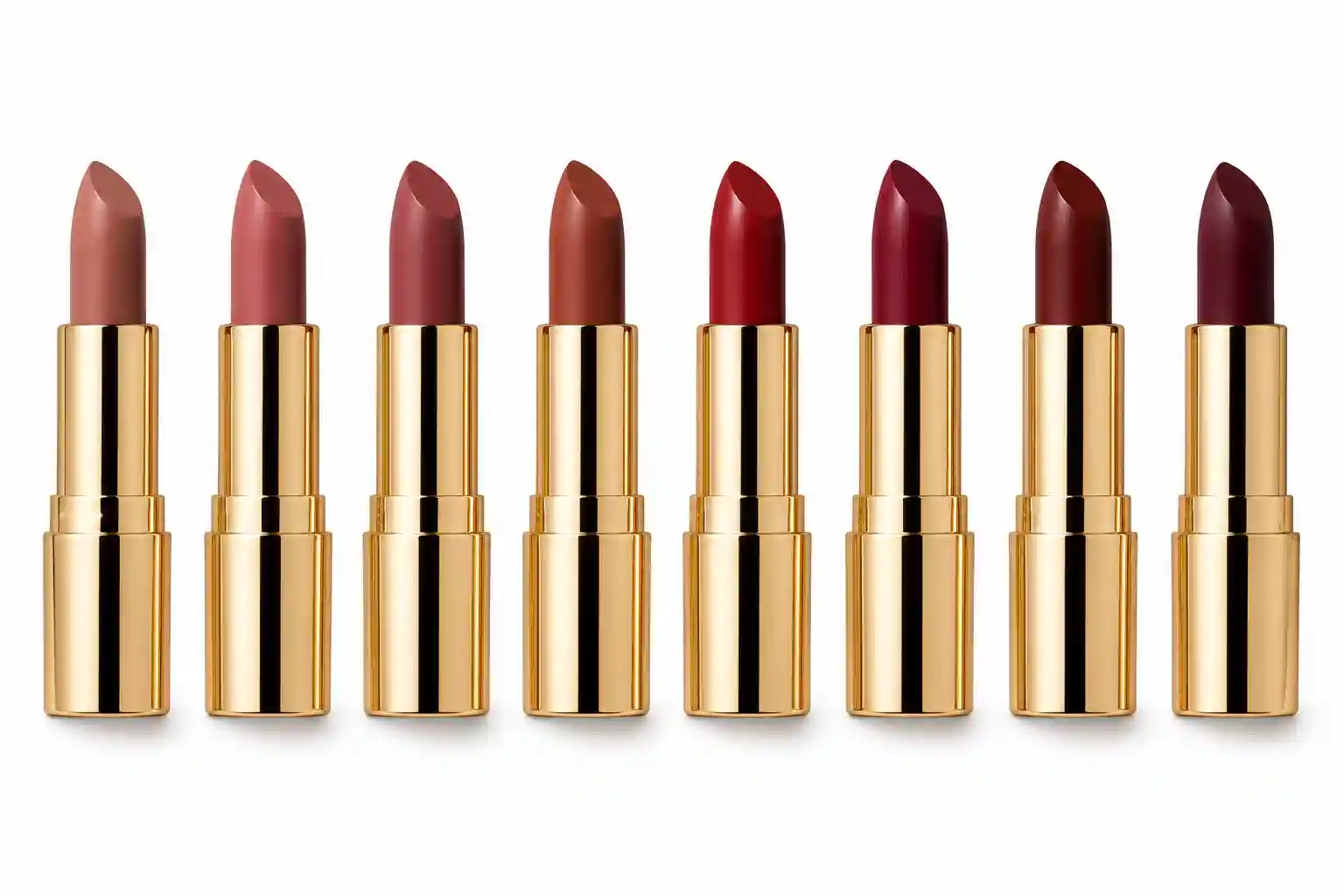
What it is
Lipstick adds color, and depending on formula, shine or texture, to the lips. It spans a wide range of finishes - matte, satin, cream, sheer, and glossy - each with a different balance of pigment payoff, comfort, and wear time.
How it works
Wax (often a blend of beeswax, carnauba, or candelilla) gives lipstick its solid stick form and holds pigment in suspension. Oils soften the texture and add slip for easier application; the ratio of wax to oil is what mainly separates a long-wearing matte (more wax, less oil, more pigment) from a comfortable, glossy sheer (more oil, less wax, less pigment).
How to choose one
- Matte formulas last longest and resist transfer but can be more drying - worth pairing with a hydrating lip product underneath on dry lips.
- Cream and satin formulas balance color payoff with comfort and are the easiest starting point for most people.
- Sheer and gloss formulas add the least color commitment and the most shine, and are the most forgiving to apply without a mirror.
- Test color on the lips, not the inner wrist - lip skin pigment affects how a shade actually reads more than wrist skin does.
Common mistakes
- Applying straight from the bullet without a mirror on textured or chapped lips, where the color will visibly catch on dry patches.
- Skipping lip liner on bold or long-wearing shades, which tend to feather or migrate outside the lip line over several hours.
- Choosing a shade based on how it looks in the tube rather than swatched - the color in the packaging rarely matches the payoff on skin exactly.