Why does foundation oxidize and turn orange?
Foundation shifting darker or more orange after application is oxidization - a chemical reaction, not a shade-matching mistake.
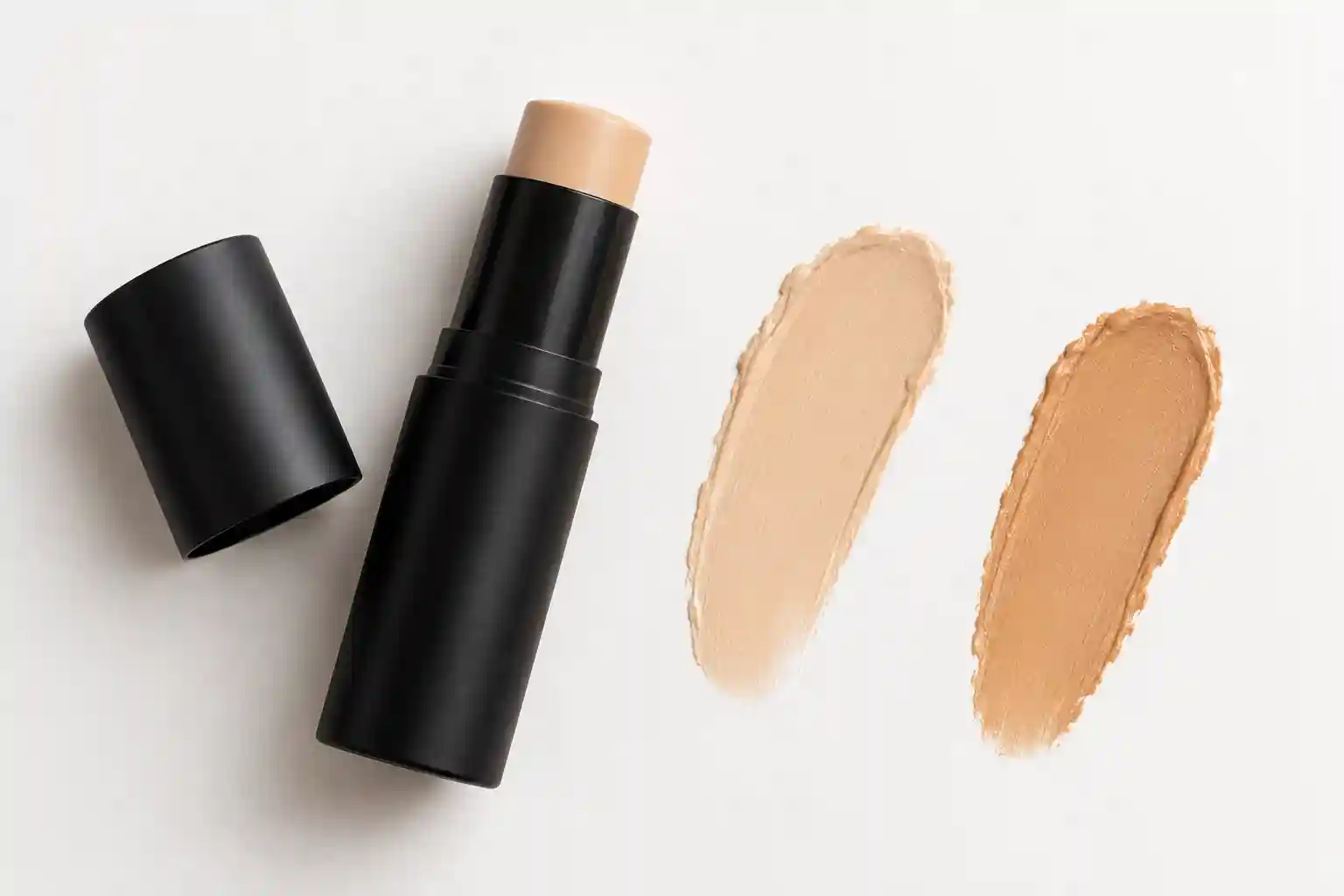
Short answer
If foundation looks well-matched right after blending but turns noticeably darker, more orange, or more yellow within an hour, that's oxidization - a chemical reaction between the formula and air or skin oils, not a sign the shade was chosen wrong to begin with.
Why it happens
Many foundations use iron oxide pigments suspended in a base that reacts, mildly, once exposed to oxygen and to the oils and pH on skin's surface. That reaction shifts the visible color over the first 20–60 minutes after application. Oilier skin, higher skin pH, and warmer weather all speed the reaction up, which is why the same foundation can oxidize more on one person than another - or more on the same person in summer than winter.
How to prevent or fix it
- Test shade after wear, not right after blending. Apply a small amount along the jaw, wait 15–20 minutes, and check the match in daylight before judging a shade or buying a full size.
- Prep skin to a neutral base. Oily or unbalanced skin accelerates oxidization; a proper skin-prep routine reduces how much the formula has to react against.
- Go slightly lighter than you think, for oxidizing formulas. If a specific foundation is known to oxidize, choosing a shade a touch lighter than the "perfect" swatch match compensates for the shift.
- Set with powder sooner rather than later. Setting powder creates a barrier that can slow further oxidization through the day.
- Switch formulas if it's severe. Water-based and long-wear silicone formulas tend to oxidize less than oil-rich ones; if a particular foundation always shifts too far, the fix may be the formula, not the routine.